Replicating Product Materials and Craftsmanship: What Details to Copy vs. What Must Be Original
Replicating products requires clearly defining boundaries while respecting intellectual property rights: material selection, structural design, and manufacturing details fall within the functional scope of replication. However, brand logos, patented processes, and original design elements must be either original or authorized. Drawing on Weber Furniture's project experience, this article outlines the compliance boundaries for product replication and demonstrates our engineering implementation capabilities.
In the high-end hotel and villa furniture manufacturing sector, producing replica products is a common and legitimate business practice. Design firms or buyers submit production requests based on existing design prototypes. Manufacturers must transform technical drawings into finished goods while respecting intellectual property rights. The core of this process lies in clearly defining which details can be replicated and which must remain original.
Replicable Boundaries: Materials, Structure, and Craft Details
The legality of reproducing products rests on functional replication, not brand copying. Material selection, structural design, and craftsmanship details fall within the scope of permissible reproduction.
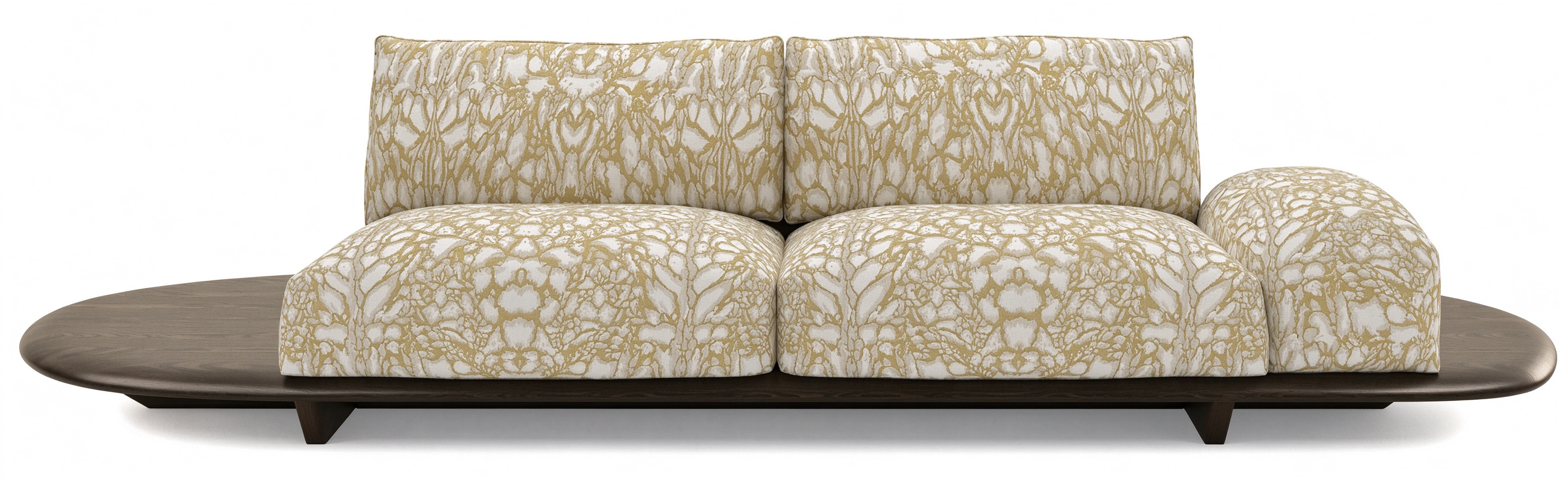
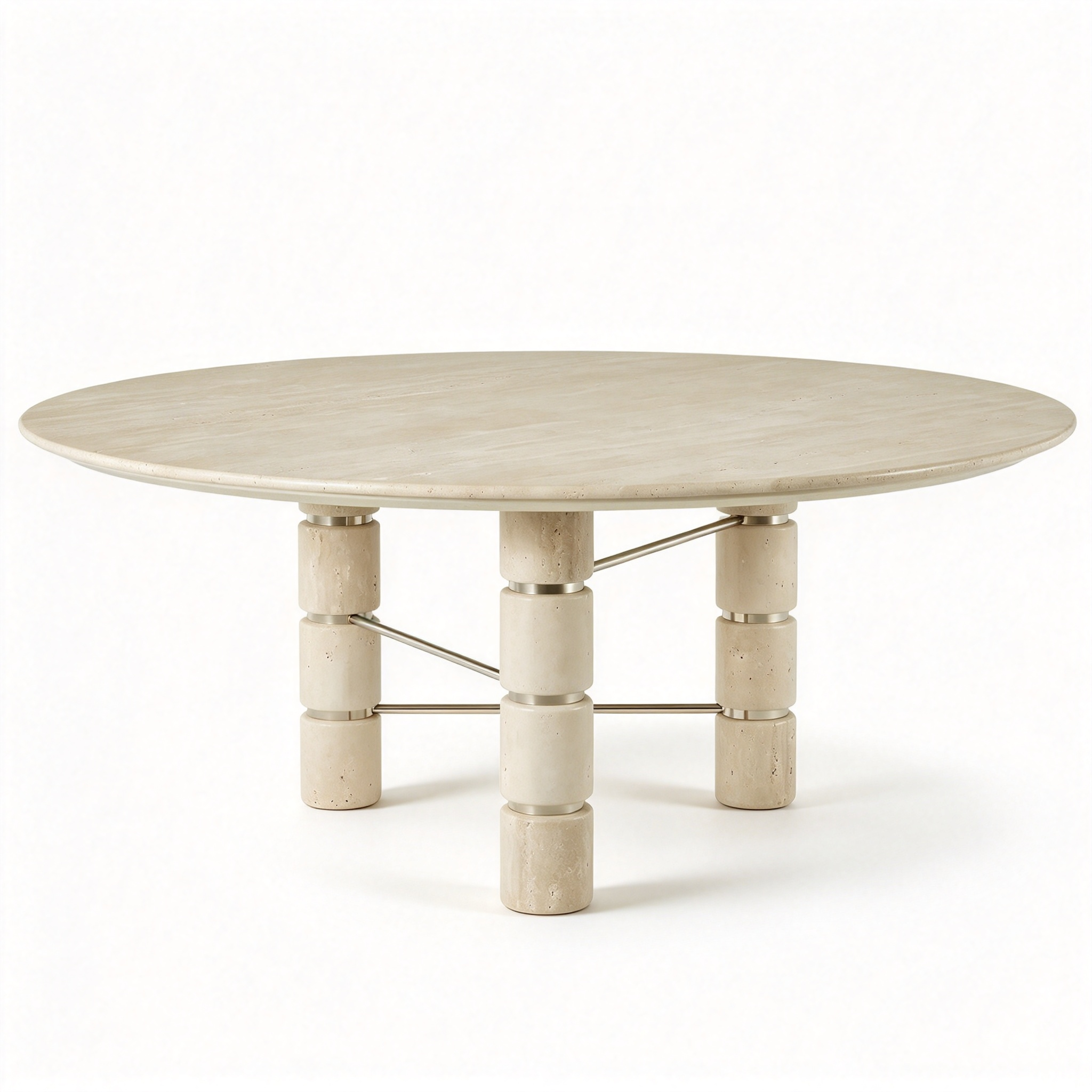
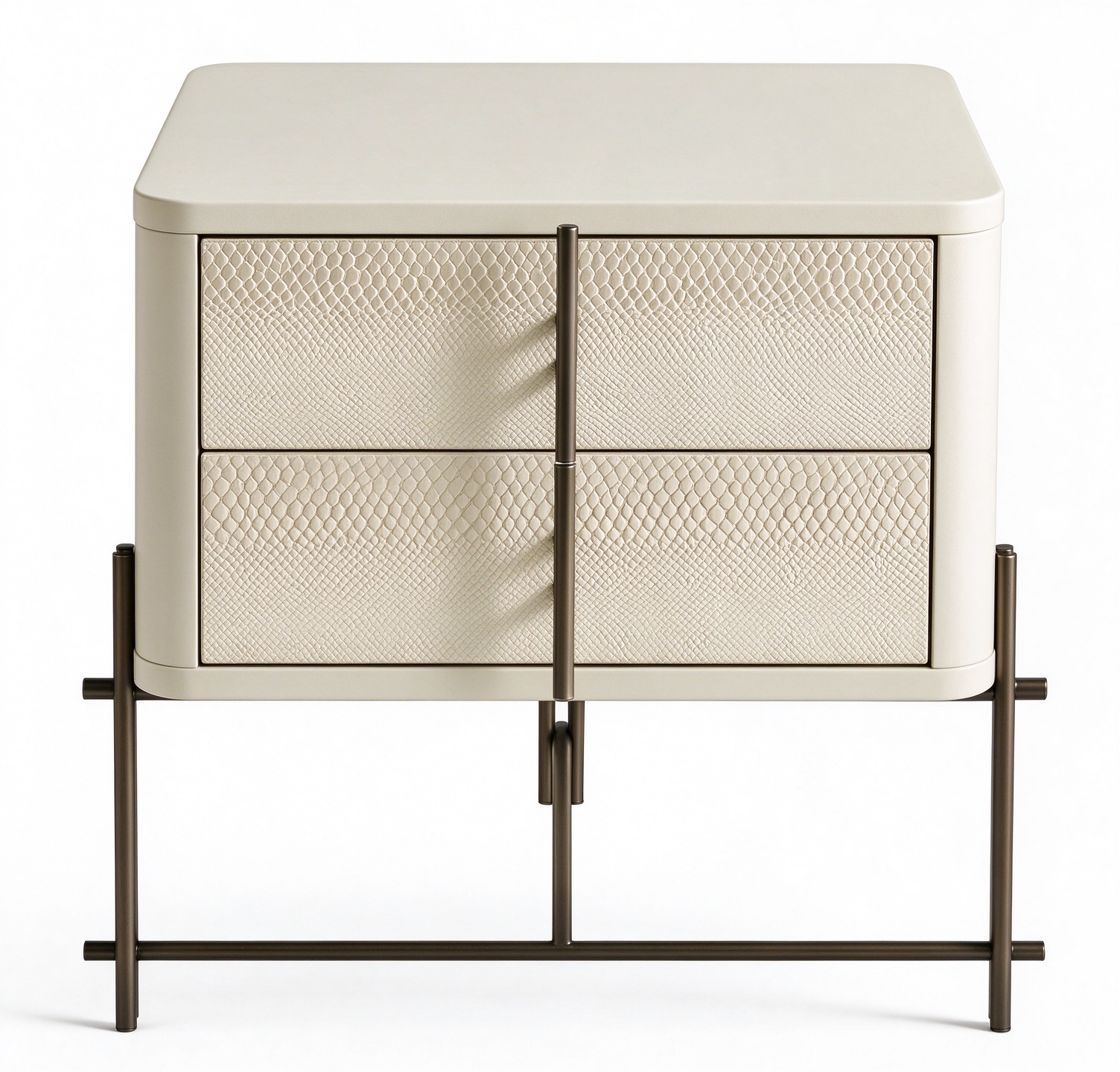
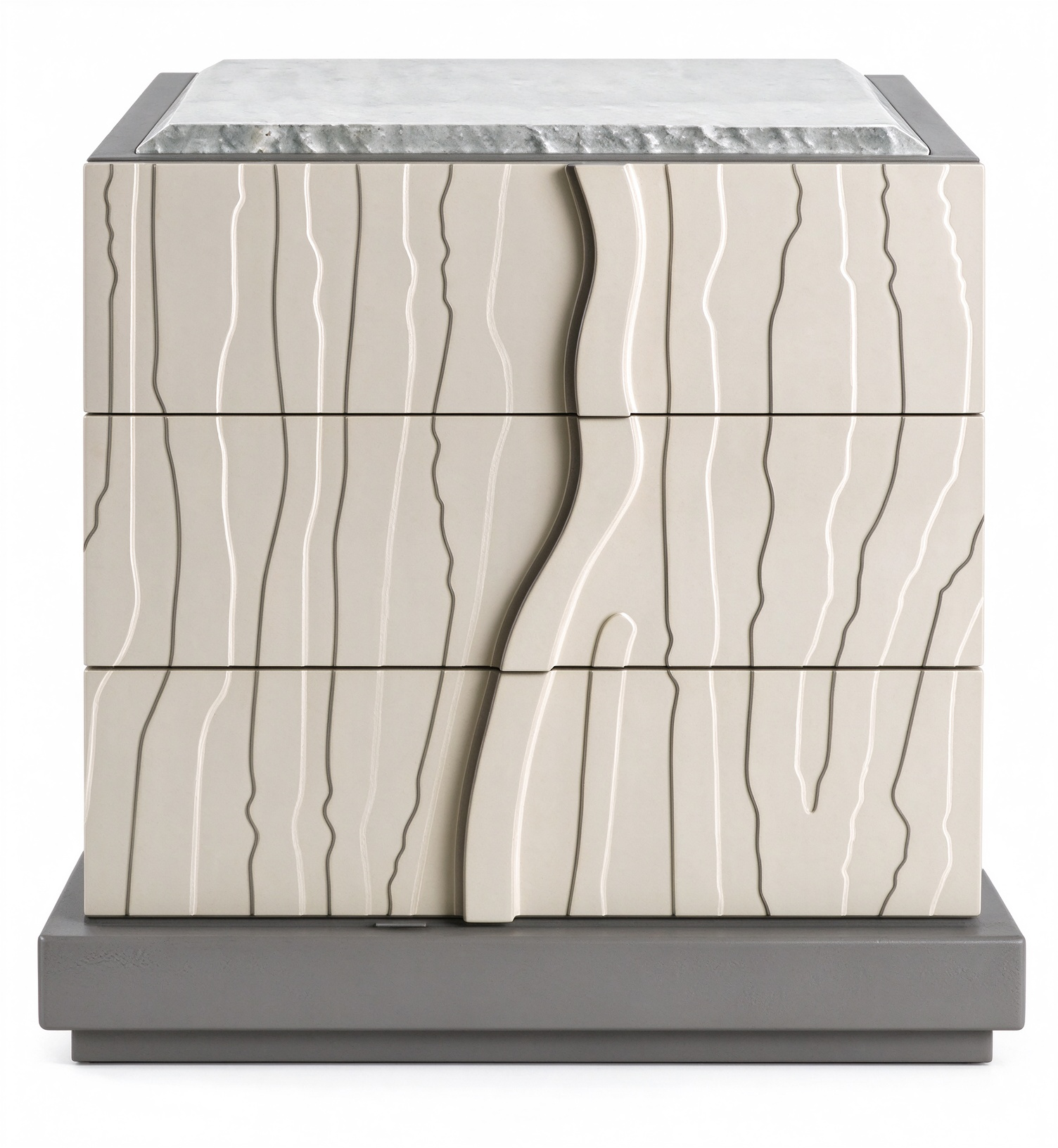
Regarding material selection, the original design's wood species, leather grade, stone texture, and metal hardware specifications can all be sourced and processed to the same standards. At Webor Furniture, we strictly adhere to the client's design specifications during replication projects to ensure that both physical performance and visual appearance match the prototype.
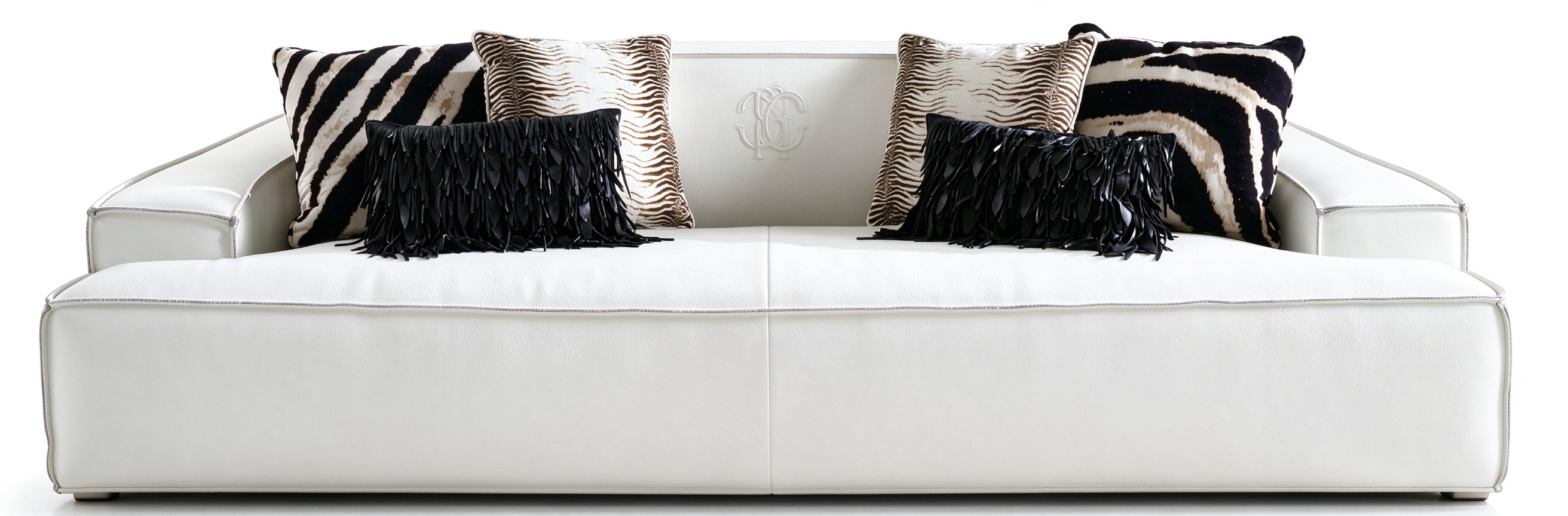
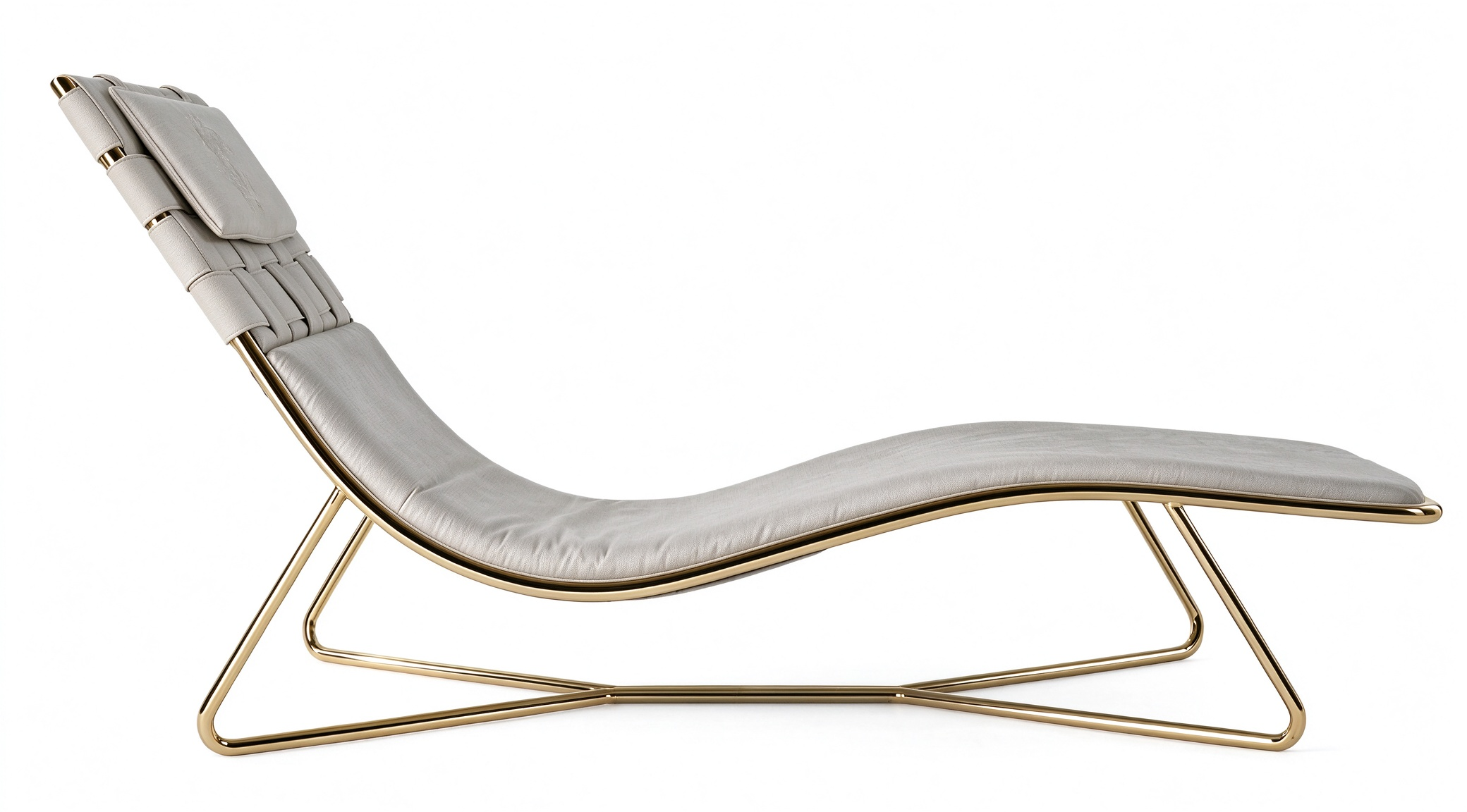
From a structural design perspective, engineering parameters such as furniture dimensions, proportions, connection methods, and load-bearing structures belong to the technical implementation layer and can be fully replicated. These parameters determine product functionality and safety, but do not involve brand identity.
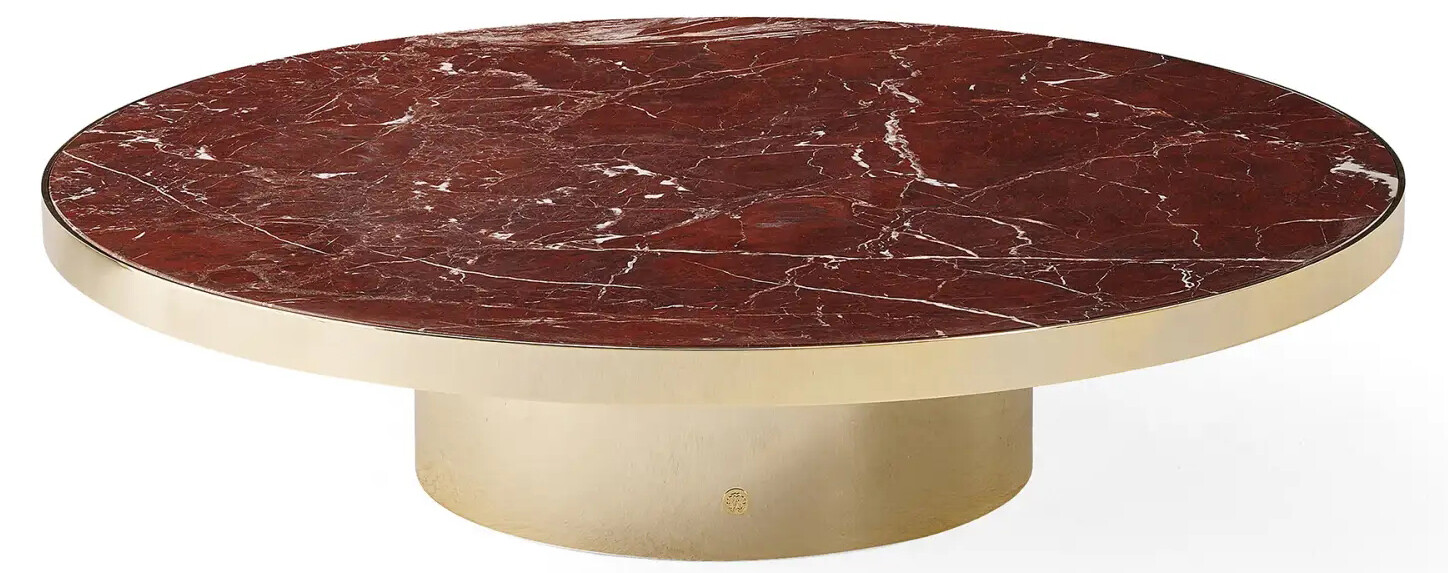
Craft details such as surface finishes (open-pore or closed-coat for wood), leather stitch density, and metal textures (brushed or mirror-polished) can be executed to match prototype specifications. Webor's 35000㎡ factory is equipped with advanced production lines capable of precisely replicating these craft details.
The Boundaries of Originality: Intellectual Property and Brand Identity
The line for replicating products lies in intellectual property and brand identity. The following must be original or authorized:
Brand Identity: Original logos, signature patterns, and exclusive color schemes (e.g., luxury brand colors) are protected assets and must not be copied. For replication projects, Webor proactively removes all brand identity elements to ensure products do not infringe on the original brand's visual identity system.
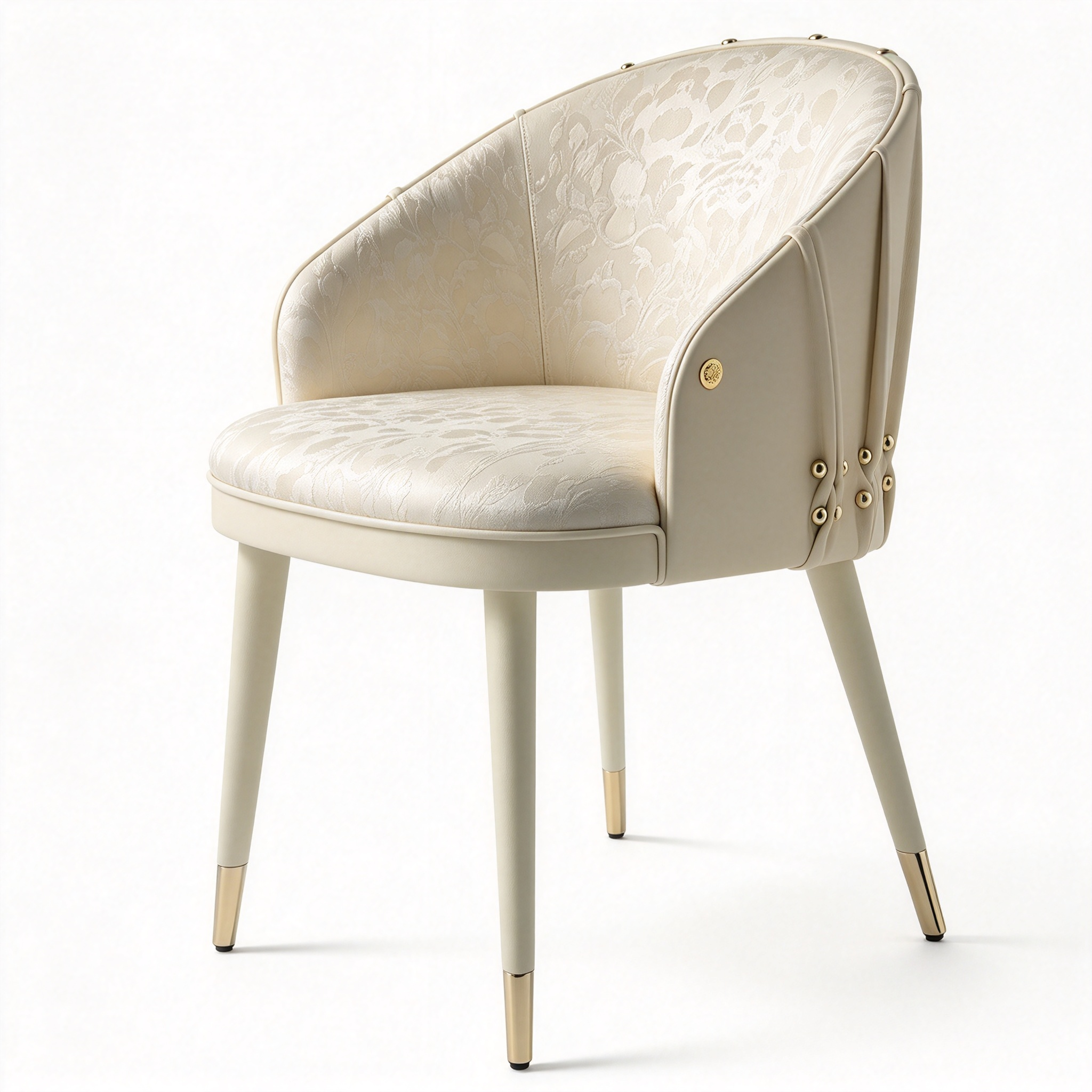
Patented Processes: Certain brands hold patents for specialized techniques (e.g., specific bentwood methods or unique leather weaving). These processes are legally protected and cannot be replicated without authorization. Webor's engineering team identifies such patented processes during the drawing refinement phase and communicates alternative solutions to clients.
Regarding original design elements: if the original design is a copyrighted work (such as a signature piece by a renowned designer), its core design language must not be copied. The boundary for replication lies in "functional design" rather than "artistic expression."
Webor's Practice: Delivering Professional Services Within Boundaries
Webor Furniture's product replication experience shows that clear boundary awareness is key to project success.
During design detailing, Webor's engineering team reviews client-provided prototype designs for compliance to determine which elements can be replicated and which require adjustments. This process typically involves multiple rounds of communication with the client to ensure alignment on scope boundaries.
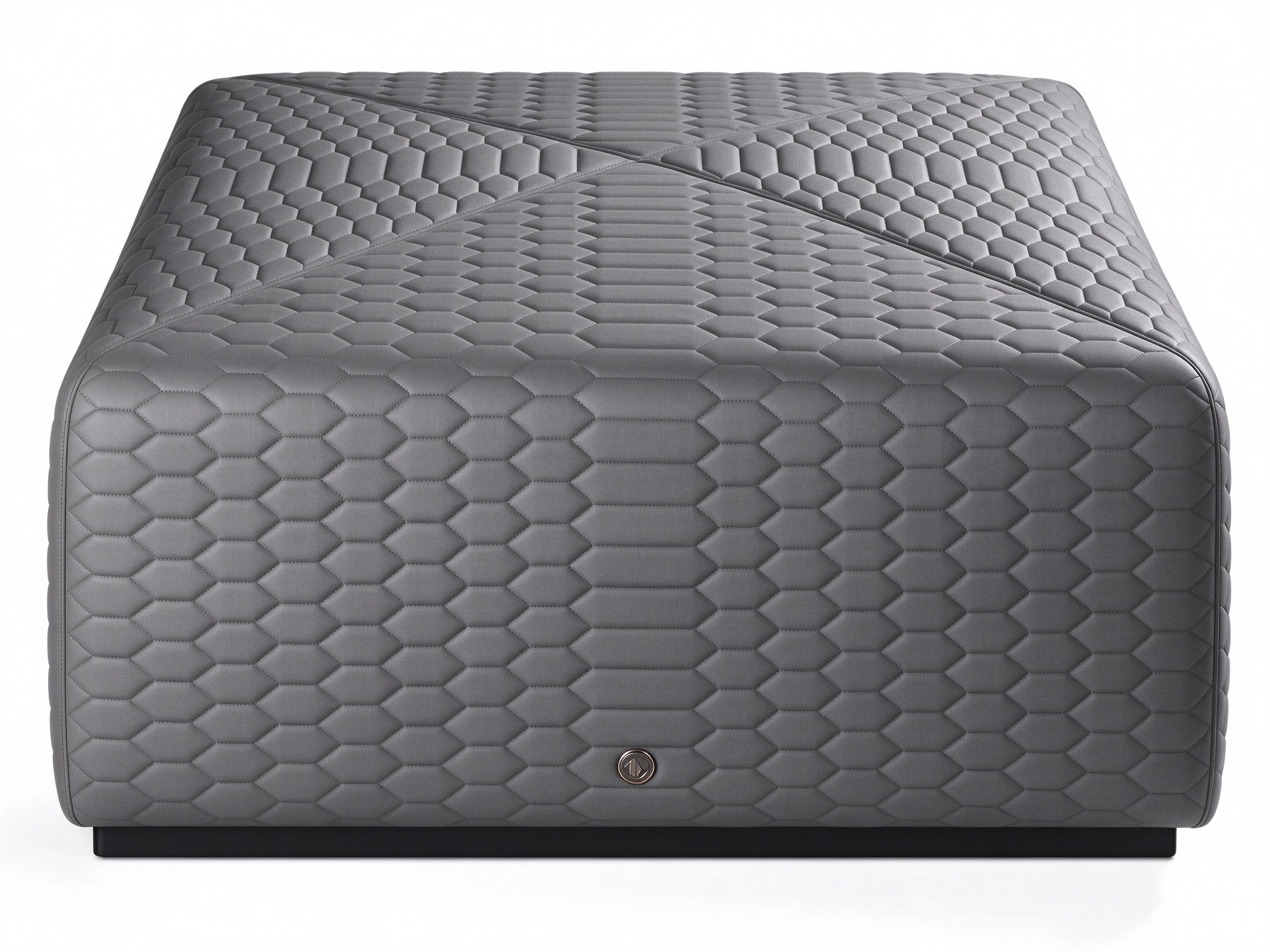
During material procurement, Webor uses its FSC-certified supply chain to ensure that wood in replica products is legally sourced and fully traceable. Leather, stone, and metal materials also meet SGS testing and certification standards, ensuring compliance with international quality specifications.
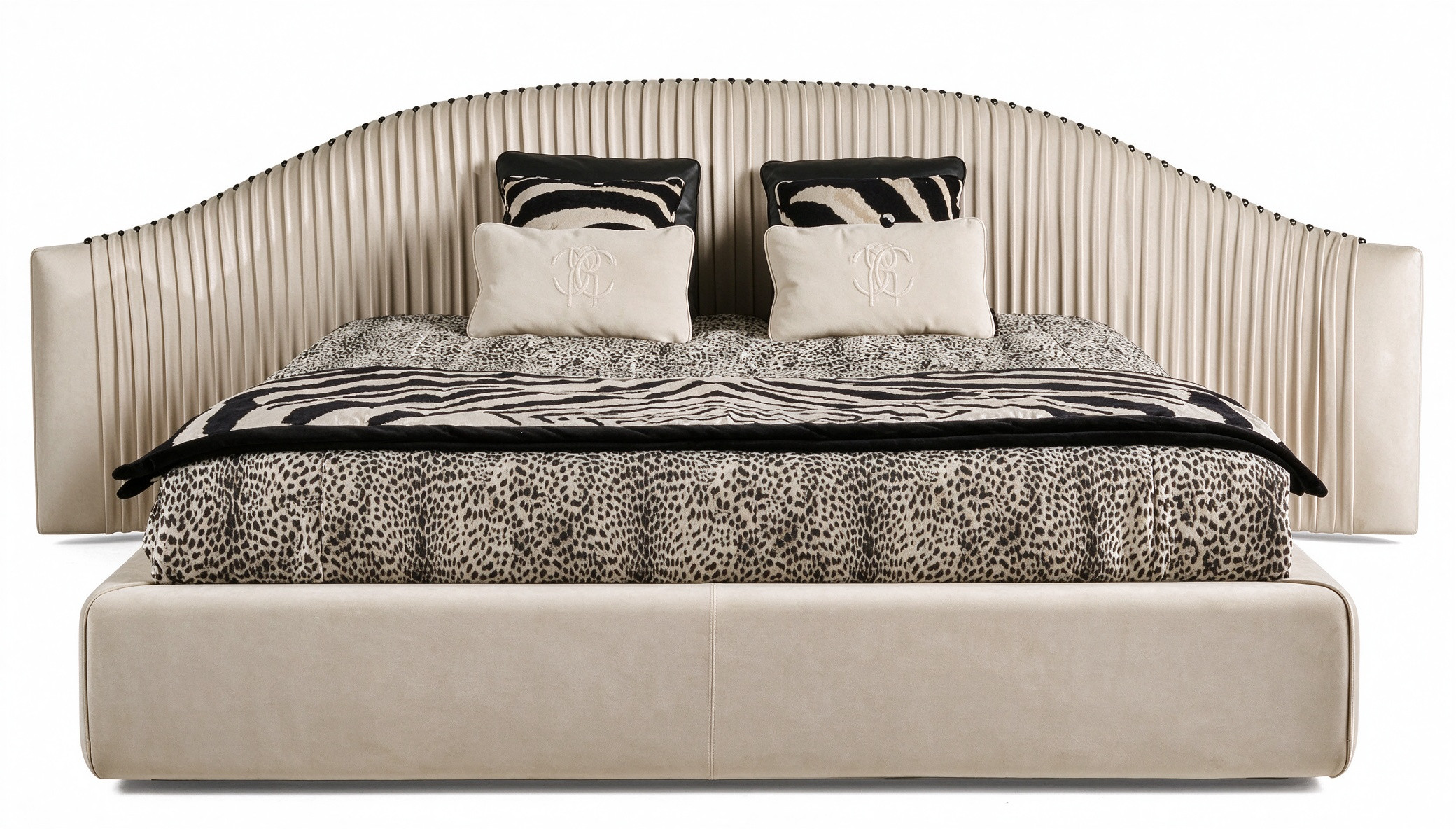
During production execution, Webo's multi-stage quality inspection system covers the entire process from raw materials to finished goods. This ensures that replica products meet prototype standards in craftsmanship details while fully complying with intellectual property regulations.
The Essence of Replication: Engineering Re-creation Within a Compliant Framework
Recreating products is engineering innovation within a compliant framework. For design firms, buyers, and manufacturers, clearly understanding the boundaries of material selection and craftsmanship is both a legal requirement and a mark of professional expertise. With full-process control across its 35000 sqm facility, Webor Furniture helps clients deliver high-quality products within these boundaries, serving hotel and villa projects in over 30 countries worldwide.
Share to WeChat
Open this article on your phone by scanning the WeChat QR code, then tap "..." in the top-right corner to share with a friend or to Moments. Alternatively, copy the link and paste it directly into a WeChat chat to send.
Learn more about furniture
Follow us for the latest industry news and company updates

Scan to add WeChat